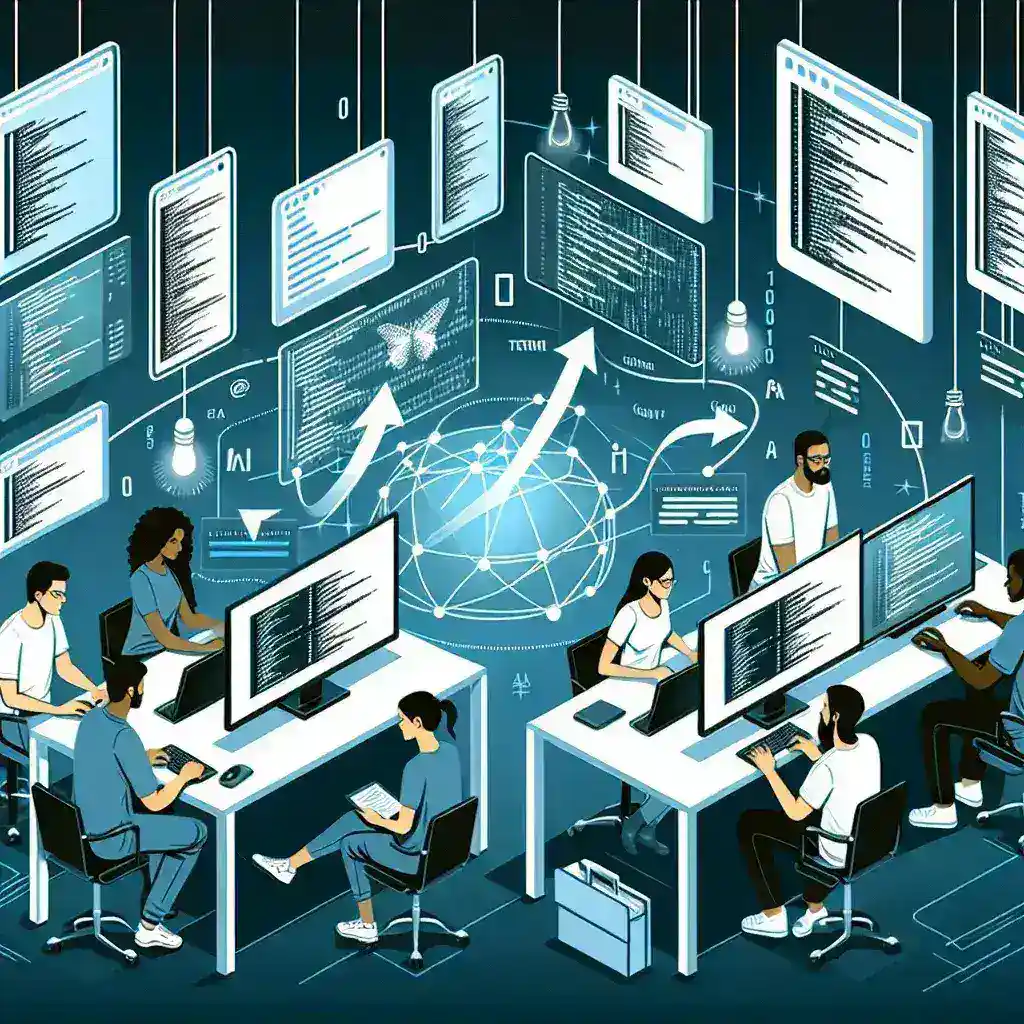
In the rapidly evolving landscape of software development, the traditional model of isolated coding has given way to a more dynamic, collaborative approach. Real-time collaboration services in code editors have emerged as game-changing tools that enable developers to work together seamlessly, regardless of their physical location. These innovative platforms are reshaping how teams approach coding projects, fostering unprecedented levels of productivity and creativity.
Understanding Real-Time Collaborative Coding
Real-time collaborative coding represents a paradigm shift in software development methodology. Unlike traditional version control systems that require developers to merge changes after completion, these services allow multiple programmers to edit the same codebase simultaneously. The technology operates on sophisticated algorithms that manage concurrent modifications, ensuring code integrity while maintaining the flow of collaborative work.
The concept draws inspiration from collaborative document editing platforms but adapts to the unique requirements of programming environments. Operational Transformation and Conflict-Free Replicated Data Types (CRDTs) serve as the underlying technologies that make real-time collaboration possible without data corruption or loss.
Core Features of Collaborative Code Editors
Simultaneous Multi-User Editing
The most fundamental feature of collaborative code editors is the ability to support multiple users editing the same file simultaneously. Each participant’s cursor and selections are displayed in different colors, providing visual awareness of team member activities. This feature eliminates the bottleneck of sequential editing and enables true parallel development.
Live Cursor Tracking and User Presence
Advanced collaborative platforms provide real-time visibility of each team member’s cursor position and current focus area. This feature helps prevent conflicts and enables developers to coordinate their efforts more effectively. User presence indicators show who is currently active in the project, facilitating better team coordination.
Integrated Communication Tools
Modern collaborative code editors incorporate built-in chat systems, voice communication, and video conferencing capabilities. These integrated communication tools eliminate the need to switch between multiple applications, maintaining developer focus while enabling seamless team interaction.
Version History and Change Tracking
Comprehensive version control systems track every modification made by each team member, creating detailed audit trails. These systems provide granular change tracking, allowing teams to understand the evolution of their codebase and quickly identify the source of any issues.
Leading Collaborative Coding Platforms
Visual Studio Code Live Share
Microsoft’s Live Share extension transforms Visual Studio Code into a powerful collaborative environment. The service enables developers to share their development session securely, allowing team members to edit, debug, and interact with the same codebase in real-time. Live Share supports cross-platform collaboration and integrates seamlessly with existing VS Code workflows.
Replit Multiplayer
Replit offers a comprehensive online development environment with robust collaborative features. The platform provides instant project sharing, real-time editing capabilities, and integrated hosting solutions. Its browser-based approach eliminates setup requirements and enables immediate collaboration across different devices and operating systems.
CodeSandbox Live
Specializing in web development projects, CodeSandbox Live provides real-time collaborative editing for JavaScript, React, Vue, and other modern web frameworks. The platform includes integrated preview functionality, allowing teams to see changes instantly as they develop applications collaboratively.
Gitpod Collaboration
Gitpod extends the collaborative coding concept by providing cloud-based development environments that can be shared among team members. The platform offers one-click development environment setup and seamless integration with popular version control systems.
Technical Architecture and Implementation
The technical foundation of real-time collaborative code editors relies on sophisticated distributed systems architecture. WebSocket connections enable low-latency communication between clients and servers, while operational transformation algorithms ensure consistency across multiple concurrent edits.
Conflict Resolution Mechanisms play a crucial role in maintaining code integrity. These systems employ various strategies, including last-writer-wins policies, three-way merging algorithms, and intelligent conflict detection to handle simultaneous modifications to the same code sections.
Cloud infrastructure provides the scalability necessary to support large development teams. Content Delivery Networks (CDNs) ensure optimal performance across global teams, while robust security measures protect sensitive code repositories from unauthorized access.
Benefits for Development Teams
Enhanced Productivity and Efficiency
Real-time collaboration eliminates many traditional bottlenecks in the development process. Teams can work on different aspects of the same feature simultaneously, reducing development cycles and accelerating project completion. The immediate feedback loop enables faster problem-solving and knowledge transfer between team members.
Improved Code Quality
Collaborative coding naturally incorporates continuous peer review processes. As developers work together, they can immediately identify potential issues, suggest improvements, and share best practices. This real-time quality assurance leads to more robust and maintainable codebases.
Knowledge Sharing and Mentorship
Junior developers benefit significantly from real-time collaboration with experienced team members. The ability to observe coding practices, receive immediate feedback, and participate in problem-solving processes accelerates learning and skill development.
Remote Team Integration
Collaborative code editors bridge geographical gaps, enabling distributed teams to work together as effectively as co-located teams. This capability has become increasingly important as remote work becomes more prevalent in the software industry.
Challenges and Considerations
Network Dependency and Latency
Real-time collaborative coding requires stable internet connections and low-latency communication. Network issues can disrupt the collaborative experience and potentially lead to data synchronization problems. Teams must consider backup strategies and offline capabilities when implementing these solutions.
Security and Access Control
Sharing code repositories in real-time introduces security considerations that teams must address. Proper authentication, authorization, and encryption mechanisms are essential to protect intellectual property and sensitive information. Organizations need robust access control policies to manage team member permissions effectively.
Learning Curve and Adoption
Transitioning to collaborative coding platforms requires teams to adapt their existing workflows and practices. Training and change management processes are crucial for successful adoption and maximum benefit realization.
Future Trends and Innovations
The future of collaborative coding services promises even more sophisticated features and capabilities. Artificial Intelligence integration will provide intelligent code suggestions, automated conflict resolution, and predictive collaboration features. Machine learning algorithms will analyze team collaboration patterns to optimize workflows and suggest productivity improvements.
Augmented Reality (AR) and Virtual Reality (VR) technologies are beginning to influence collaborative coding environments. These immersive technologies could revolutionize how distributed teams interact and visualize complex codebases together.
Integration with advanced project management tools and automated testing frameworks will create more comprehensive collaborative development ecosystems. These integrated platforms will provide end-to-end visibility into the development process while maintaining the real-time collaborative capabilities that teams value.
Best Practices for Implementation
Successful implementation of collaborative coding services requires careful planning and consideration of team dynamics. Organizations should start with pilot projects to evaluate different platforms and identify the best fit for their specific requirements. Establishing clear guidelines for collaborative sessions, including communication protocols and conflict resolution procedures, ensures smooth team interactions.
Regular training sessions and knowledge sharing workshops help team members maximize the benefits of collaborative coding tools. Creating a culture that embraces collaboration and continuous learning is essential for long-term success.
Performance monitoring and feedback collection enable organizations to continuously improve their collaborative coding processes. Regular evaluation of team productivity metrics and collaboration effectiveness helps identify areas for optimization and enhancement.
Conclusion
Services for real-time collaboration in code editors represent a fundamental shift in software development methodology. These platforms enable teams to work together more effectively, improve code quality, and accelerate development cycles. As the technology continues to evolve, collaborative coding will become an increasingly essential component of modern software development practices.
The success of collaborative coding initiatives depends on careful platform selection, proper implementation, and ongoing team engagement. Organizations that embrace these technologies and invest in proper training and change management will gain significant competitive advantages in today’s fast-paced development environment.
The future of software development is inherently collaborative, and real-time coding services provide the foundation for this transformation. By enabling seamless team collaboration, these platforms are not just changing how we write code—they’re revolutionizing how we think about software development as a collective creative process.






Lascia un commento